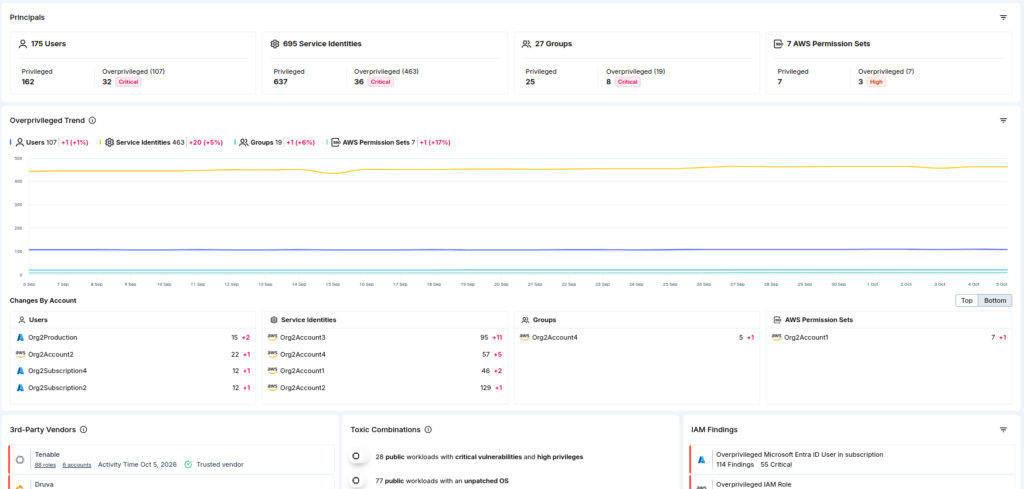
CIEM (Cloud Infrastructure Entitlement Management) provides full visibility into entitlements in cloud environments. The solution detects incorrect identity configurations, identifies excessive privileges, and helps enforce the principle of least privilege, reducing the risk of data breaches and strengthening the security of the cloud infrastructure.
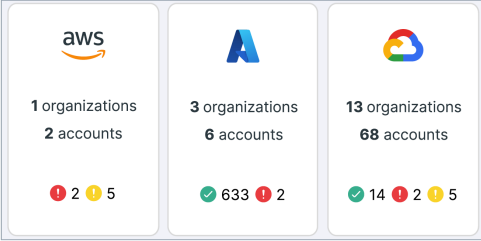
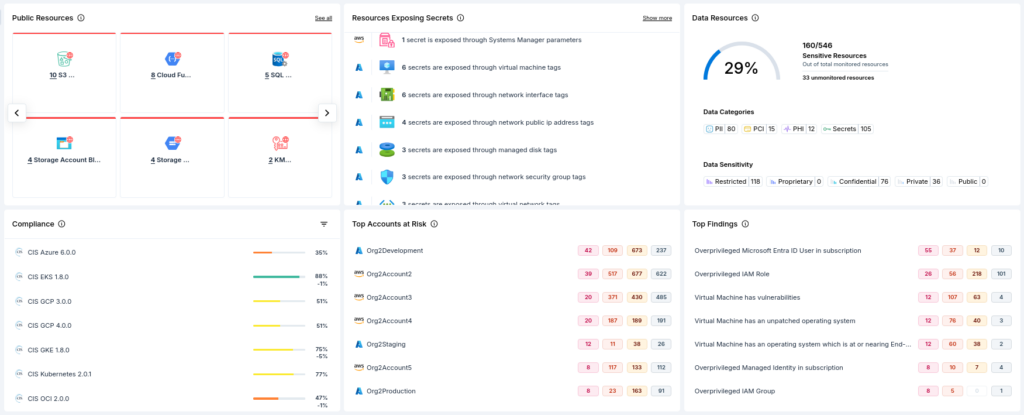
Gain centralized visibility into assets, identities, infrastructure, and workloads across multiple cloud environments. A unified view simplifies cloud security management and reduces the risks associated with fragmented infrastructure.
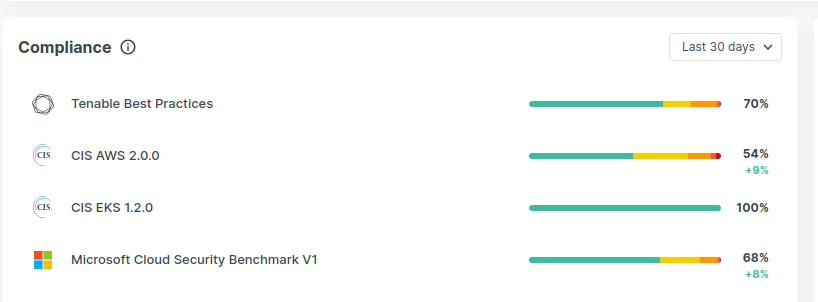
Continuously monitor cloud configurations, identify violations of security best practices and regulatory requirements, and streamline remediation.
Protect virtual machines, containers, and serverless workloads against vulnerabilities, malware, misconfigurations, and the exposure of sensitive data.
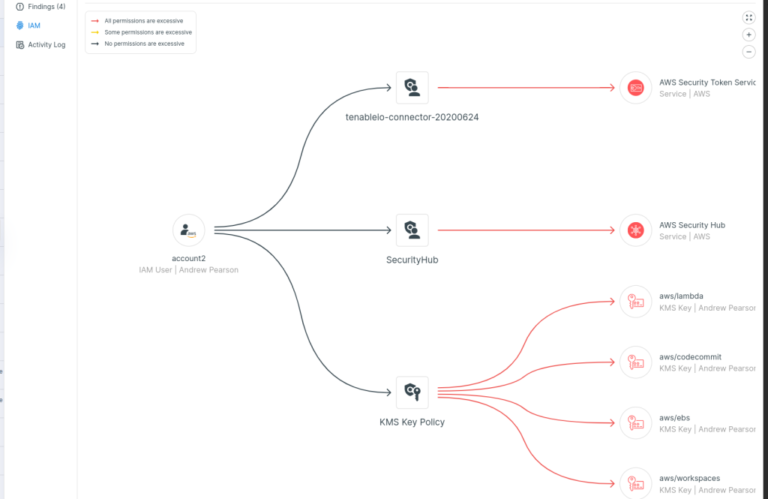
Identify excessive privileges and misconfigured access controls, then apply precise remediation actions to reduce cloud security risk.
Use continuous behavioral analytics and anomaly detection to rapidly identify and investigate threats across cloud environments.
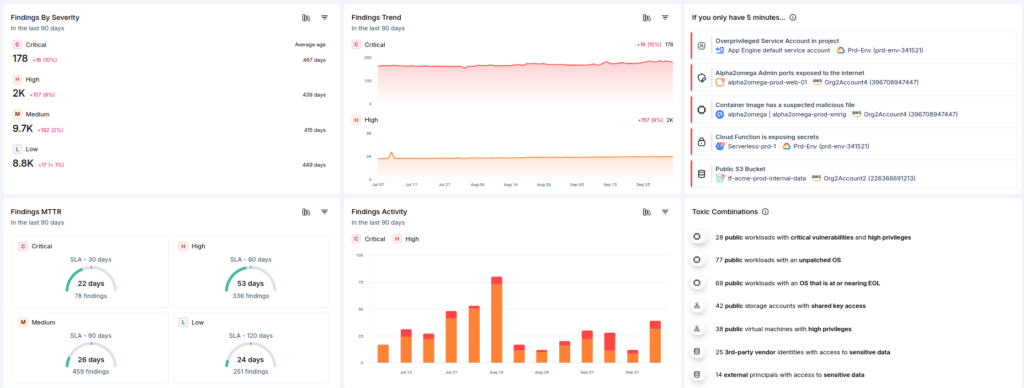
Correlate data across the cloud stack to uncover critical risks, including combinations of exposures that could lead to sensitive data being compromised.
Tenable CIEM, part of the CNAPP platform, provides full control over identities and permissions in cloud environments. It identifies excessive permissions, analyzes risks, and automates their remediation, helping to enforce the principle of least privilege and effectively secure access to cloud resources.
Monitor Kubernetes clusters for misconfigurations and security risks. Maintain alignment with security best practices and respond quickly when issues are detected.
Detect misconfigurations and other risks before infrastructure is deployed. Integrate security checks into CI/CD pipelines to prevent risky changes from reaching production.
Accelerate risk reduction by automatically correcting cloud infrastructure misconfigurations and other security issues.
Reduce standing administrative privileges by giving users secure, time-limited access only when it is required.