Tenable One

Tenable One brings data from different areas of IT security together in one place.

By providing a unified view of assets, vulnerabilities, cloud environments, applications, user accounts, and access privileges, the platform helps organizations identify the most important threats, prioritize actions, and make better-informed cybersecurity decisions.

Benchmarking

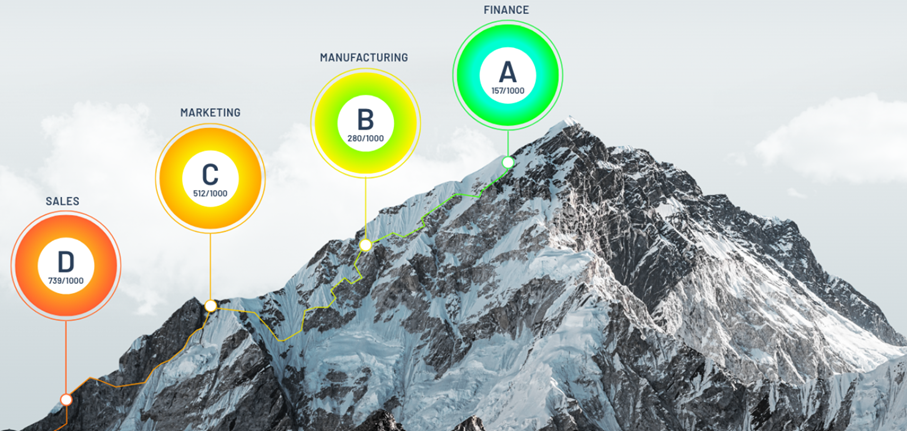
Compare cyber risk between internal business units and locations, as well as against relevant industry benchmarks.

The results can support decisions about where additional technical, financial, or human resources are required.

Attack Path Analysis

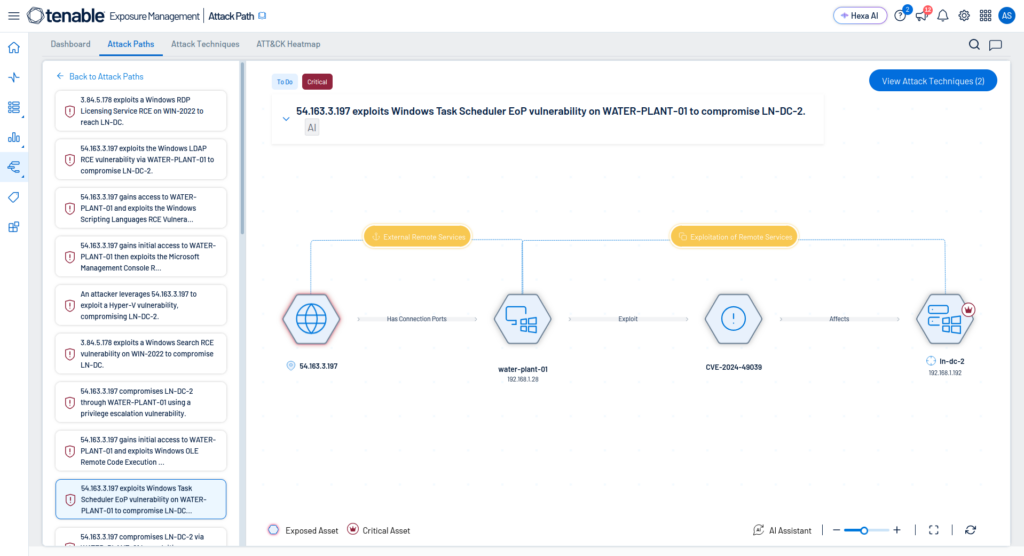
Visualize potential attack paths using mapping aligned with the MITRE ATT&CK framework.

This helps teams understand how attackers could move between systems, reach critical assets, or exploit relationships between vulnerabilities, accounts, permissions, and infrastructure.

Eliminating Security Blind Spots

Combine data from vulnerability management, web application security, cloud security, identity security, and other sources in one centralized view.

This improves analysis, simplifies reporting, and supports faster decision-making

The platform identifies vulnerabilities, configuration weaknesses, and excessive privileges, showing where the organization is most exposed.


Tenable Exposure View

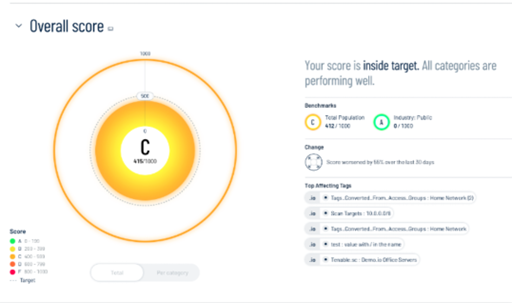
Use a unified exposure score based on data from multiple security sources to quickly assess the organization’s current risk level.

Tenable Exposure View helps teams understand overall security posture, monitor progress, and identify the events or exposures that require attention.

Unified visibility

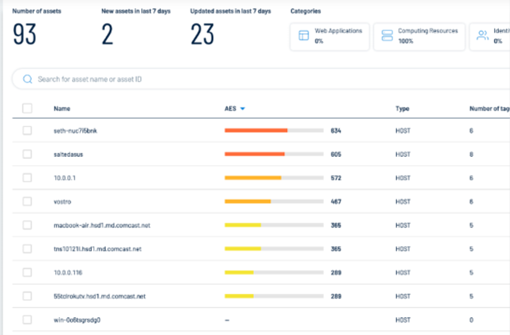
Gain a consolidated view of assets across on-premises infrastructure, cloud environments, applications, and identity systems. The platform identifies vulnerabilities, configuration weaknesses, and excessive privileges, showing where the organization is most exposed.
Intelligent Risk Prioritization

Combine vulnerability data with threat intelligence and business context to identify the exposures most likely to be exploited. This allows security teams to focus on the actions that will reduce risk most effectively.

Business-Oriented Reporting

Present cybersecurity risk through clear metrics and reports designed for both security teams and business leaders. Track progress over time and compare results between departments, business units, or locations.